Damascus Street, Al Qusais,Dubai, UAE.

When School Feels Difficult: Understanding Your Child’s Readiness
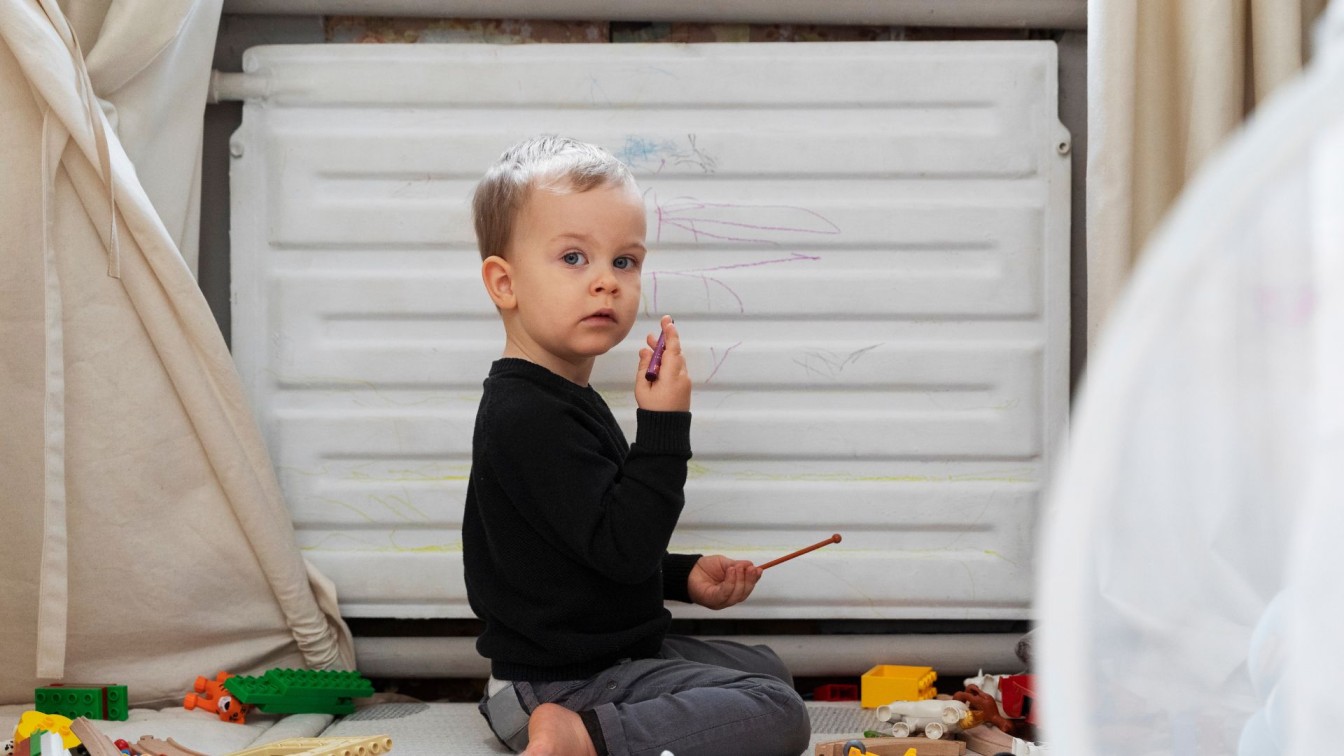
Starting school is a major milestone in every child’s life. For many children, this transition happens naturally. They begin to follow classroom routines, interact with other children, listen to teachers, and take part in learning activities. But for some children, school can feel stressful, confusing, or overwhelming. This may happen because of developmental delays, speech and language difficulties, autism, ADHD, learning challenges, sensory concerns, or behavioural difficulties.
Why School Readiness Matters for Children with Developmental Challenges
School readiness is not only about knowing alphabets, numbers, colours, or writing skills. A child also needs to understand instructions, communicate basic needs, sit for short activities, wait for turns, play with other children, manage emotions, and adjust to a structured classroom environment. When these skills are delayed, parents may notice poor attention, delayed speech, unclear words, frequent tantrums, hyperactivity, difficulty following instructions, limited eye contact, poor social interaction, emotional outbursts, or difficulty completing simple tasks.
These concerns should not be seen only as “bad behaviour” or laziness. Sometimes, a child behaves differently because they are unable to express what they feel, understand what is being asked, process sensory input, or manage changes in routine. A child who cannot communicate properly may cry, shout, avoid activities, or become restless. This is why early assessment and structured support are important before school difficulties become bigger.
School Readiness Programme for Speech, Behaviour, and Learning Support
A structured School Readiness Programme helps children build the foundation skills needed for school life. The programme focuses on improving communication, attention, behaviour, social interaction, emotional regulation, classroom participation, fine motor skills, and independence. It may include speech and language support, behaviour therapy, attention-building activities, social skills training, group activity practice, sensory support, pre-academic learning, and parent guidance.
Many parents search for Late talker treatment in dubai when their child is not speaking as expected for their age. Speech delay can affect learning, behaviour, and social confidence. Some parents search for Language issue in children or Best speech therapy in dubai when their child has difficulty understanding questions, forming sentences, pronouncing words clearly, or expressing needs.
Autism, ADHD, IQ Assessment, and Developmental Support
For children showing signs of autism, social communication delay, repetitive behaviours, or sensory concerns, parents may look for the Best autism therapy clinic in Dubai, an Autism therapy center near me, or an Autism specialist in dubai. A proper evaluation can help identify the child’s developmental needs and guide the right therapy plan.
In some cases, an IQ assessment in dubai may be recommended to understand the child’s learning ability, cognitive skills, and academic readiness. Parents may also search for a Developmental paediatrician near me when they want a detailed developmental opinion for speech delay, behavioural concerns, autism, ADHD, or learning difficulties.
The goal of a School Readiness Programme is not to force a child into school expectations. The goal is to prepare the child step by step, according to their ability and needs. With the right support, children can improve communication, confidence, attention, behaviour, independence, and classroom participation. School may feel difficult now, but early guidance and structured therapy can help your child become more ready to learn, connect, and grow.